Physical Address
304 North Cardinal St.
Dorchester Center, MA 02124
Physical Address
304 North Cardinal St.
Dorchester Center, MA 02124
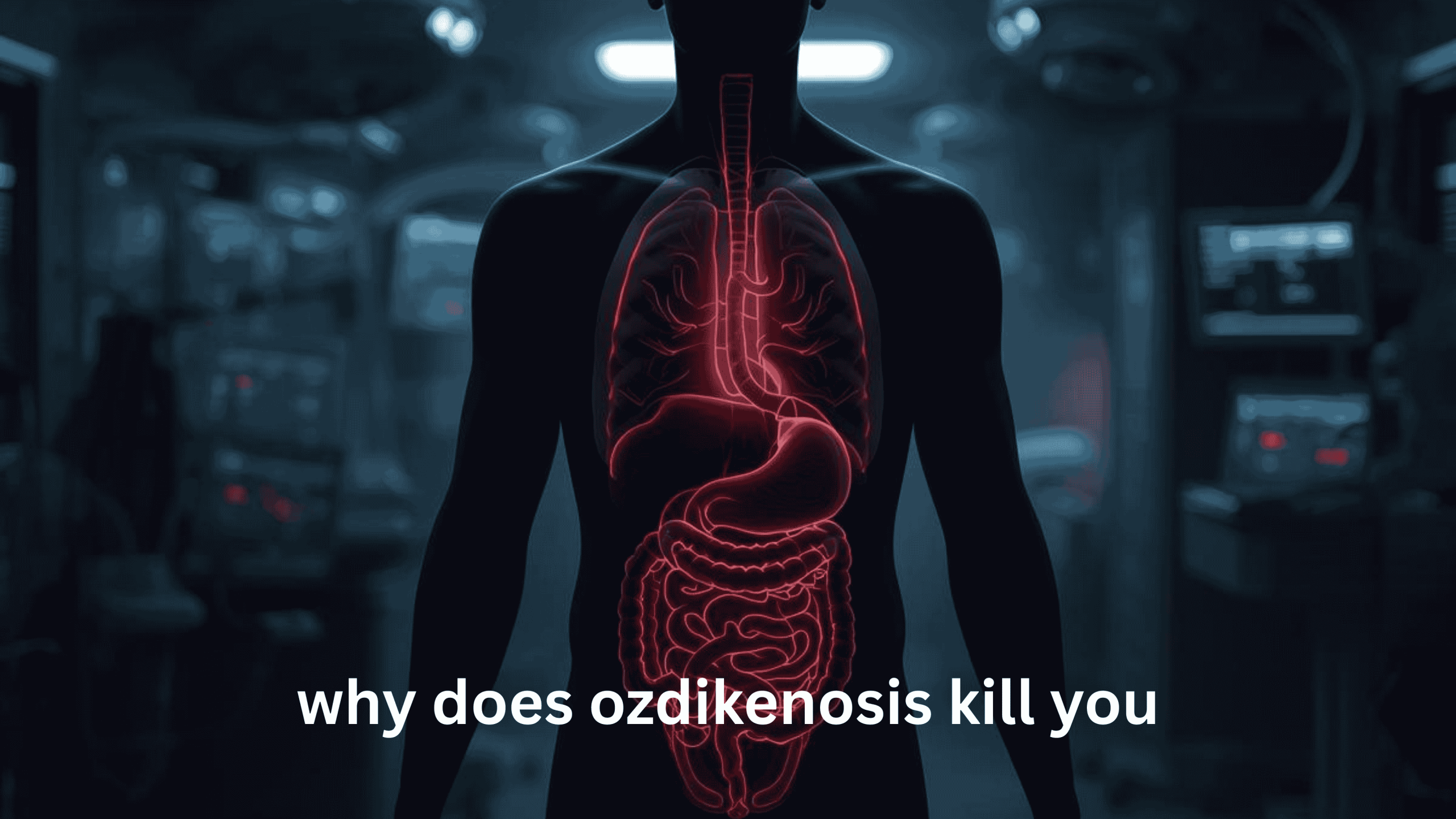
The phrase why does ozdikenosis kill you has appeared repeatedly across search engines, discussion forums, and blog posts, raising concern and curiosity among readers. Many people encounter this term without context and assume it refers to a rare or newly discovered fatal disease. This article explores the available information surrounding ozdikenosis, explains why people believe it can be deadly, and examines the medical reality behind such claims. By breaking down facts, misconceptions, and the science often used to explain fatal illnesses, this guide aims to provide clarity in a calm and informative way.
When people search for why does ozdikenosis kill you, they are usually looking for an explanation of a medical condition. However, one of the most important things to understand is that ozdikenosis is not recognized as an official medical diagnosis. It does not appear in established medical textbooks, clinical databases, or disease classification systems.
Despite this, online descriptions often portray ozdikenosis as a mysterious and aggressive condition that affects multiple systems in the body. These descriptions usually follow patterns used to explain real diseases, which makes the term sound legitimate and alarming. This is one of the reasons the phrase why does ozdikenosis kill you feels convincing to many readers.
Common claims associated with ozdikenosis include:
These elements mirror how real life-threatening illnesses are often discussed, even though there is no verified evidence that ozdikenosis itself exists.
The reason why does ozdikenosis kill you attracts attention lies partly in the structure of the word itself. Many real medical conditions end with the suffix “osis,” which typically refers to a disease process or abnormal condition. Because of this, readers subconsciously associate the term with legitimacy.
Additionally, many online explanations use scientific language such as cellular failure, metabolic imbalance, and systemic breakdown. These phrases are commonly used in medical contexts, which further reinforces belief in the condition. Over time, repetition across multiple websites creates the illusion of consensus, even when no factual basis exists.
This phenomenon shows how easily misinformation can spread when terminology sounds authoritative and is presented without challenge.
To answer why does ozdikenosis kill you, many sources rely on general biological mechanisms that are known to cause death in real diseases. While these mechanisms are real, their connection to ozdikenosis is speculative.
One common explanation suggests that ozdikenosis interferes with the body’s ability to produce energy at the cellular level. In real medical conditions, when cells cannot generate enough energy, tissues and organs begin to fail. The heart, brain, and muscles are especially vulnerable to this type of breakdown.
Writers often describe this process to explain why does ozdikenosis kill you, even though there is no evidence linking such a mechanism to the term itself.
Another frequent claim is that ozdikenosis causes multiple organs to deteriorate at the same time. In real medicine, multi-organ failure is a serious and often fatal condition. It occurs when the body can no longer maintain balance due to infection, inflammation, or prolonged stress.
Because this explanation aligns with known medical outcomes, it is often used to justify claims about ozdikenosis being deadly.
Some descriptions suggest that the immune system becomes overactive or ineffective, leading to widespread damage. In genuine conditions, this can result in severe complications. When applied to ozdikenosis, however, this explanation lacks supporting evidence.
These theories answer why does ozdikenosis kill you on a conceptual level but not a factual one.
One of the strongest reasons people believe in the question why does ozdikenosis kill you is the way information spreads online. Articles often repeat similar wording, giving the impression that the topic has been thoroughly researched. In reality, many of these pieces are derived from one another rather than from original medical sources.
Several factors contribute to this cycle:
When a term like ozdikenosis is presented alongside real scientific concepts, readers may not question its authenticity.
Belief in unexplained fatal illnesses can have a real psychological impact. When someone repeatedly reads about why does ozdikenosis kill you, anxiety can increase, especially for individuals experiencing unexplained symptoms. This highlights the importance of distinguishing between credible health information and unverified claims.
Health anxiety often thrives on uncertainty. Mysterious illnesses with no cure or clear explanation are especially compelling because they tap into fear of the unknown.
To better understand why does ozdikenosis kill you, it helps to compare its descriptions with real diseases. Many legitimate conditions share characteristics such as fatigue, organ stress, and immune response issues. The key difference is that real conditions are supported by clinical research, diagnostic criteria, and treatment protocols.
Real diseases are identified through:
Ozdikenosis lacks all of these elements.
The continued popularity of the phrase why does ozdikenosis kill you reflects a broader trend in how people seek health information. Search engines often surface content based on engagement rather than accuracy. Once a topic gains traction, it can persist long after its credibility has been questioned.
People are drawn to:
This explains why the topic remains visible despite its lack of medical grounding.
When encountering unfamiliar terms like ozdikenosis, a cautious and informed approach is essential. Rather than focusing on alarming claims, readers should prioritize verified medical sources and professional guidance.
Helpful steps include:
These steps help prevent unnecessary fear and confusion.
Instead of repeatedly asking why does ozdikenosis kill you, a more productive question may be why unverified health terms gain attention and how real diseases actually affect the body. This shift encourages learning and critical thinking rather than fear.
Understanding real biological processes can be empowering when grounded in evidence rather than speculation.
The discussion around why does ozdikenosis kill you highlights a broader need for accessible and accurate health education. When people understand how diseases are identified and studied, they are less likely to be misled by fictional or exaggerated claims.
Clear communication and critical evaluation are essential tools in navigating modern health information.
The question why does ozdikenosis kill you has gained attention largely due to the way information spreads online rather than because of medical evidence. Ozdikenosis is not a recognized disease, and the explanations often used to describe its fatal nature are borrowed from real biological processes without factual support. By understanding how misinformation works and learning to evaluate health claims carefully, readers can protect themselves from unnecessary fear. Informed awareness, critical thinking, and reliance on credible medical guidance remain the most effective ways to approach any health-related concern.