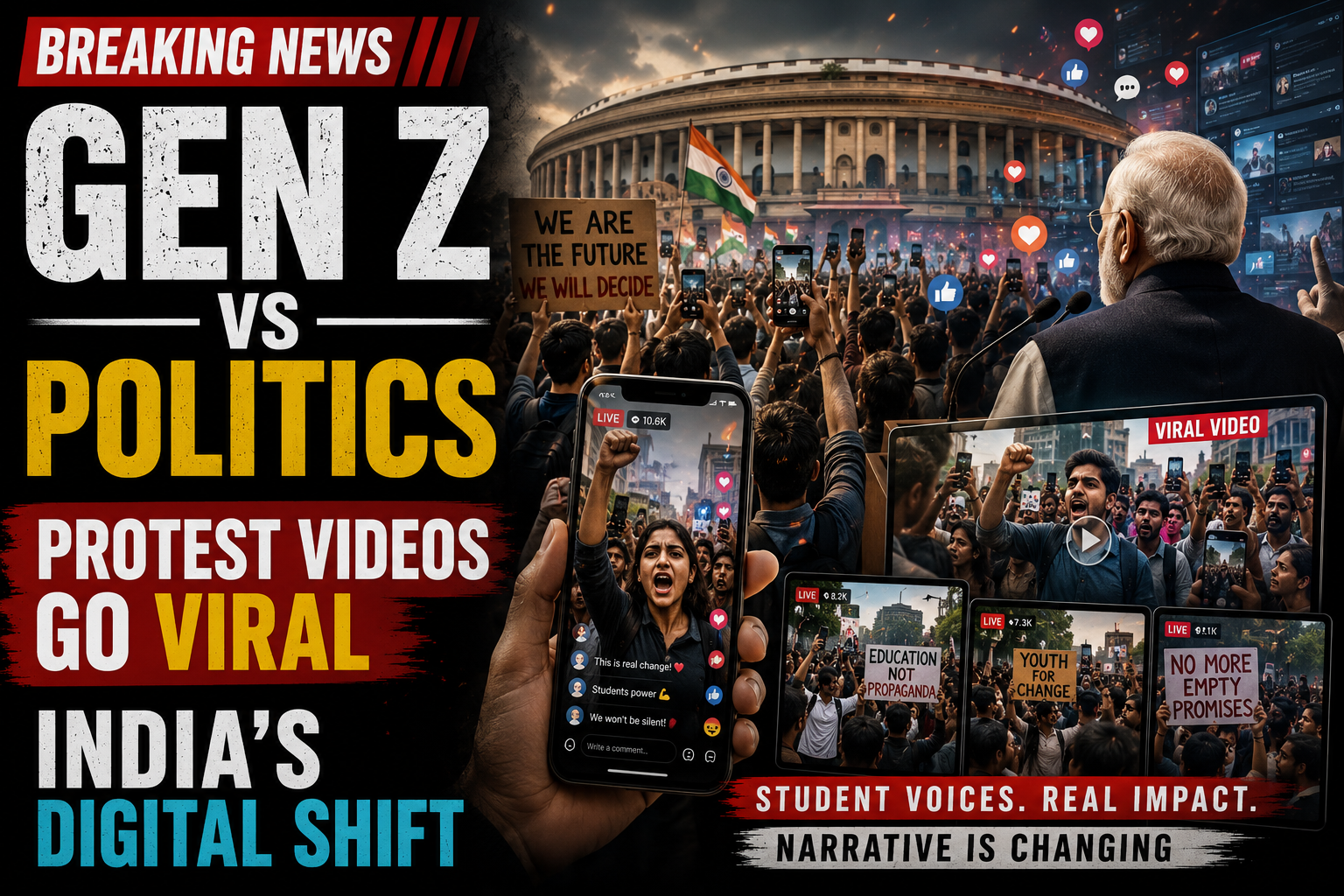
India’s Gen Z flips Modi’s social media game in what observers describe as one of the biggest shifts in the country’s digital political landscape in over a decade. Thousands of students protesting against repeated examination paper leaks have transformed social media into a powerful platform for documenting demonstrations, exposing alleged police actions, and mobilizing nationwide support.
For years, Prime Minister Narendra Modi and the Bharatiya Janata Party (BJP) were widely regarded as pioneers in political digital campaigning, using Facebook, X (formerly Twitter), Instagram, YouTube, and WhatsApp to connect directly with millions of Indians. Today, however, Generation Z is using those same platforms to challenge the government’s narrative, turning smartphones into tools of activism and citizen journalism.
The movement has rapidly expanded beyond New Delhi, with protest footage reaching millions of viewers and inspiring demonstrations in cities across India.
Massive Student Protest Brings New Delhi to a Standstill
The latest wave of unrest began on July 20, when tens of thousands of students marched toward the Indian Parliament demanding the resignation of Education Minister Dharmendra Pradhan over repeated examination paper leaks that have shaken confidence in India’s education system.
The demonstrations brought major roads in central New Delhi to a standstill as protesters attempted to reach Parliament Street. Police responded with crowd-control measures, including tear gas and baton charges, leading to clashes that reportedly left more than 100 students injured.
While authorities denied allegations of excessive force, students documented nearly every moment on their mobile phones.
Those recordings quickly flooded Instagram Reels, YouTube Shorts, X, Facebook, and other platforms, making the protests one of India’s most-discussed online topics.
Viral Videos Turn Smartphones into Powerful Political Tools
One of the protesters, 18-year-old Avanshika Singh, described running through clouds of tear gas while continuing to film the unfolding chaos.
She said officers were allegedly beating unarmed protesters as she struggled to keep recording despite burning eyes and poor visibility.
After returning home, Singh edited together a short Instagram Reel showing scenes from the protest.
She captioned it:
“Today, we rang Parliament’s doorbell and ran.”
The video quickly became part of a larger online movement that has generated millions of views and sparked heated political debate.
Students say the internet has become their most powerful weapon.
Instead of relying solely on traditional media coverage, protesters are documenting events themselves, allowing viewers across the country to witness developments almost instantly.
A Digital Strategy Once Dominated by Modi Faces a New Challenge
For nearly twelve years, Narendra Modi’s political success has been closely associated with his party’s sophisticated social media strategy.
The BJP built one of the world’s most effective digital political networks, using coordinated campaigns, influencers, volunteers, and online messaging to shape public opinion.
Now, analysts believe India’s younger generation is challenging that dominance.
Rather than consuming political content, Gen Z is creating it.
From short-form videos and livestreams to memes and viral hashtags, young protesters are reshaping political conversations online and challenging official narratives with first-hand footage from the ground.
Many political observers say this marks one of the most significant shifts in India’s online political ecosystem since Modi first came to power.
Police Crackdown Footage Sparks National Outrage
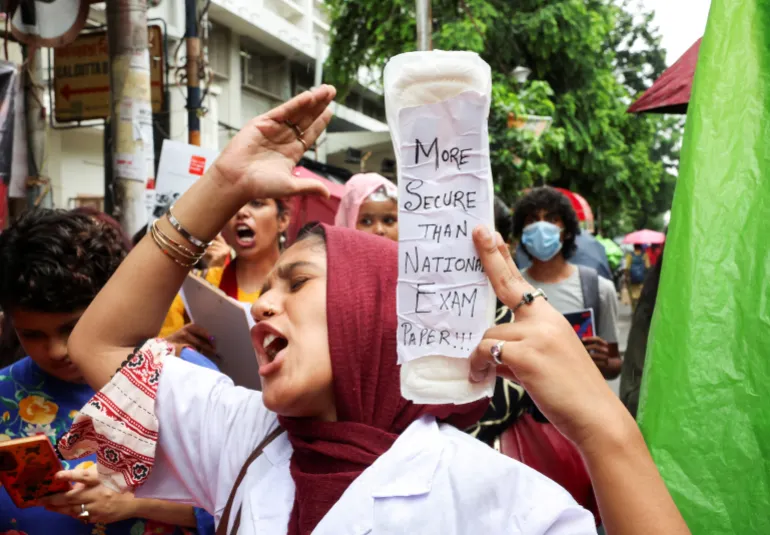
Numerous videos circulating online appear to show confrontations between police officers and student protesters.
The footage allegedly includes:
- Police using batons against demonstrators.
- Tear gas being fired into crowds.
- Officers chasing fleeing students.
- Emotional scenes involving injured protesters.
- Families pleading with security personnel.
- Videos showing police attempting to disperse peaceful gatherings.
Additional clips circulating online also allegedly show officers wearing smart glasses during crowd monitoring and damaged vehicles appearing near protest sites.
Authorities have rejected accusations of excessive force, but the continuous stream of videos has intensified public scrutiny.
The widespread availability of smartphone footage has made it increasingly difficult for conflicting accounts to remain unchallenged.
Protests Spread Across India
The demonstrations are being coordinated by the Cockroach Janta Party, a political pressure group that says it will continue peaceful protests until its demands are met.
The organization is calling for:
- Immediate resignation of Education Minister Dharmendra Pradhan.
- Withdrawal of criminal cases filed against protesters.
- Financial compensation for families of students who allegedly died by suicide following examination cancellations and paper leak controversies.
- Stronger safeguards to restore trust in India’s examination system.
Inspired by videos shared online, solidarity protests have since emerged in Mumbai, Bengaluru, Kolkata, Patna, Lucknow, Aizawl, and several other cities.
Many participants admit they were not initially involved but decided to join after watching protest videos on social media.
Families Join the Demonstrations
Nineteen-year-old Niharika Soni said she had little interest in the protests until she watched videos of the July 20 demonstrations with her mother.
According to Soni, both were deeply moved by the scenes they witnessed online.
She said the emotional footage convinced them to join protesters in New Delhi, where they now participate in daily demonstrations.
Their story reflects how social media has expanded the movement beyond students, drawing support from families and ordinary citizens who may never have attended a political rally before.
Citizen Journalism Reshapes India’s Political Conversation
Experts say the protests demonstrate the growing influence of citizen journalism in India.
Every smartphone has effectively become a live broadcasting device capable of documenting events in real time.
Unlike previous protest movements that relied heavily on television coverage, today’s demonstrations spread through thousands of individual videos uploaded directly by participants.
This decentralized flow of information has made it harder for any single narrative to dominate public discussion.
A Defining Moment for India’s Digital Democracy
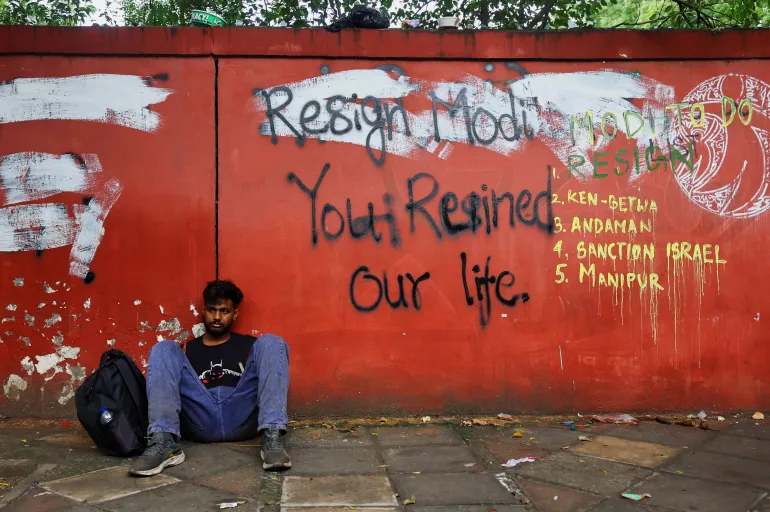
As demonstrations continue, India’s Gen Z flips Modi’s social media game by transforming digital platforms from campaign tools into instruments of political accountability.
Whether the movement succeeds in achieving its demands remains uncertain, but one outcome is already clear: India’s political conversation is increasingly being shaped by ordinary citizens armed with smartphones rather than traditional political messaging.
The ongoing protests have highlighted the growing power of digital activism, suggesting that social media may continue to play a defining role in India’s democracy for years to come

Comments
Leave a Comment