Physical Address
304 North Cardinal St.
Dorchester Center, MA 02124
Physical Address
304 North Cardinal St.
Dorchester Center, MA 02124
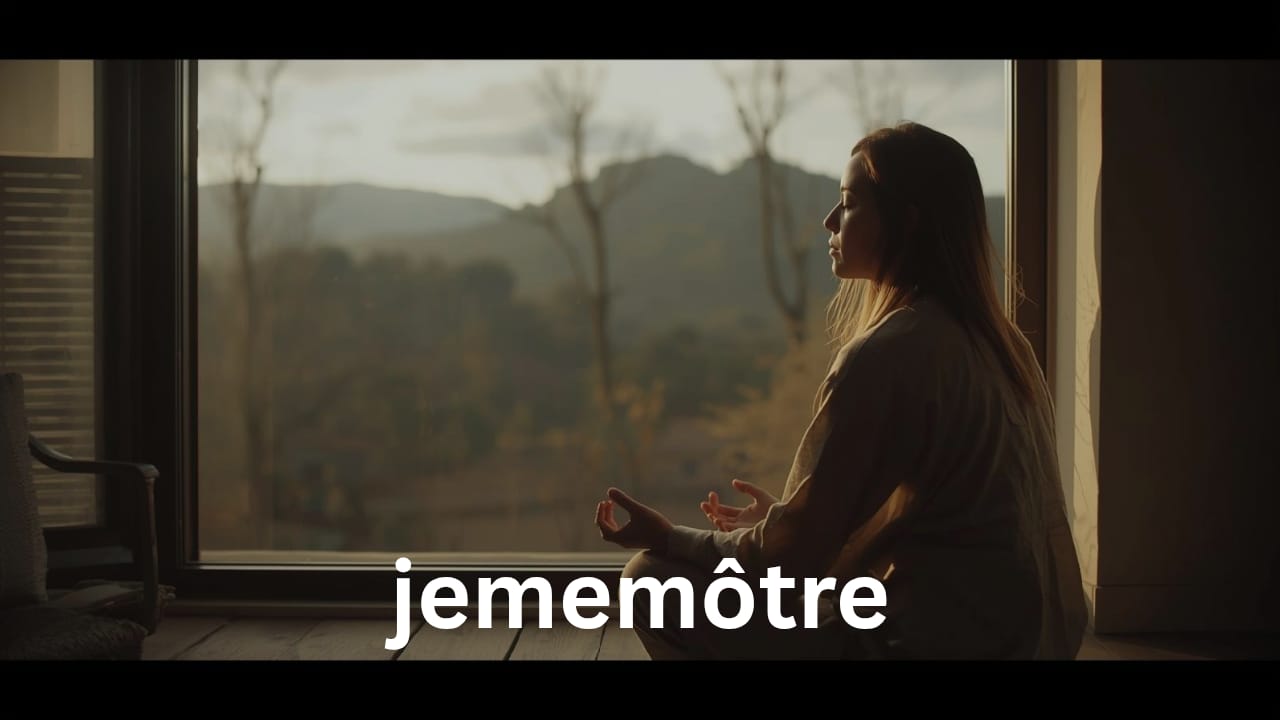
The idea behind jememôtre is not about competition or comparison. It is about recognizing personal progress that cannot be easily measured with charts or statistics. As more people search for meaning beyond surface-level success, jememôtre has begun to resonate with individuals seeking balance, clarity, and emotional depth in their lives.
Although jememôtre is not an officially recognized word in traditional dictionaries, its structure suggests inspiration from French expressions related to self-reference and reflection. The phrase appears to blend elements that translate loosely into ideas such as “I,” “myself,” and “measure” or “memory.” This gives jememôtre a poetic quality that naturally aligns with introspective thinking.
This linguistic style makes jememôtre feel personal and inward-focused. It does not sound mechanical or technical. Instead, it carries a sense of calm observation, encouraging individuals to look at themselves with honesty rather than judgment. The soft, reflective tone of the word is one reason it has found a place in modern creative and wellness discussions.
At its core, jememôtre represents the act of observing and understanding oneself on a deeper level. It is about recognizing emotional states, thought patterns, personal values, and internal changes over time. Unlike traditional measurement systems that rely on numbers, jememôtre emphasizes awareness and reflection.
This concept encourages people to ask meaningful questions such as:
Through jememôtre, growth becomes something felt rather than counted. It values insight over speed and understanding over performance.
Modern lifestyles are fast, demanding, and often overwhelming. People juggle careers, relationships, digital presence, and personal responsibilities simultaneously. In this environment, jememôtre acts as a mental pause. It reminds individuals that constant activity does not always equal progress.
Jememôtre encourages slowing down long enough to notice emotional fatigue, personal satisfaction, or inner conflict. It allows space for reflection without guilt. This makes it especially relevant for people who feel pressured by unrealistic standards of success or constant comparison.
By applying jememôtre, individuals can redefine what progress means to them personally rather than accepting definitions imposed by society.
Many self-improvement systems focus on goals, targets, and visible outcomes. While these methods can be useful, they often ignore emotional well-being and personal alignment. Jememôtre takes a different approach by prioritizing inner clarity over external results.
Instead of asking “What did I achieve today?” jememôtre encourages questions like:
This shift makes self-development less stressful and more sustainable. Jememôtre does not demand perfection. It values awareness and honesty, even during periods of struggle or uncertainty.
Emotional awareness is a key element of jememôtre. Understanding emotions without suppressing or exaggerating them is an essential part of self-measurement. Through jememôtre, emotions are seen as information rather than obstacles.
This perspective helps individuals recognize patterns such as recurring stress, unaddressed frustration, or genuine contentment. Over time, jememôtre allows people to respond to emotions with maturity rather than avoidance.
By observing emotions calmly, individuals can develop better emotional intelligence and healthier coping mechanisms, which leads to improved mental well-being.
The abstract nature of jememôtre makes it appealing in creative spaces such as writing, art, and personal storytelling. Writers and creators often use jememôtre as a symbolic expression of identity, transformation, and inner dialogue.
In cultural discussions, jememôtre represents a shift toward authenticity. It reflects a growing desire to move away from superficial identities and toward deeper self-connection. This cultural relevance explains why jememôtre continues to appear in reflective essays, lifestyle blogs, and personal narratives.
Its flexibility allows people to interpret jememôtre in ways that fit their own experiences, making it both personal and universal.
Although jememôtre is conceptual, it can influence daily habits and thinking patterns. People who resonate with this idea often practice:
These practices support the spirit of jememôtre without requiring strict routines. The focus remains on awareness rather than discipline, allowing individuals to engage with the concept naturally.
Not everyone views jememôtre as a meaningful philosophy. Some critics see it as a modern invented term without clear structure or academic grounding. Others argue that it overlaps with existing ideas such as mindfulness or self-reflection.
However, supporters of jememôtre argue that its value lies in expression rather than definition. The concept provides language for experiences that many people already feel but struggle to describe. Whether viewed as a philosophy or a symbolic idea, jememôtre continues to spark curiosity and discussion.
The popularity of jememôtre reflects a broader cultural shift. People are increasingly questioning productivity-driven lifestyles and seeking deeper meaning. Jememôtre speaks to this desire by offering an alternative way to understand progress and success.
In a world filled with noise, jememôtre represents quiet awareness. It reminds individuals that inner growth often happens slowly and silently, away from public recognition.
This resonance makes jememôtre especially relevant for those navigating burnout, identity questions, or emotional fatigue.
Jememôtre is more than a word; it is a perspective on how individuals relate to themselves in a complex world. By focusing on internal measurement rather than external validation, jememôtre encourages authenticity, emotional awareness, and personal alignment.
While it may not follow traditional definitions, jememôtre offers meaningful insight into modern self-reflection. It invites people to understand growth as an inner experience rather than a public performance. As society continues to evolve, jememôtre stands as a reminder that the most important measurements are often the ones that cannot be seen.