Physical Address
304 North Cardinal St.
Dorchester Center, MA 02124
Physical Address
304 North Cardinal St.
Dorchester Center, MA 02124
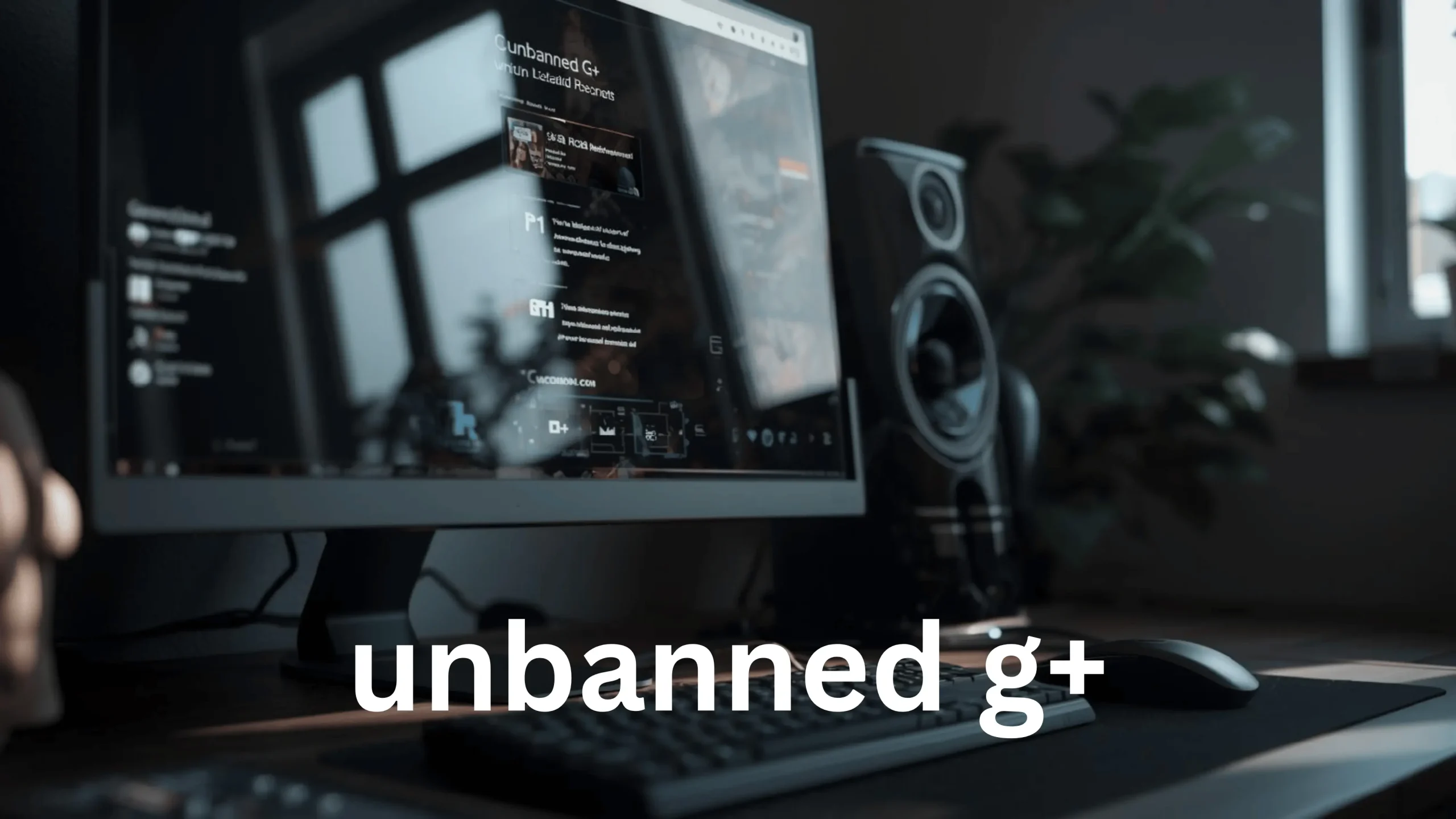
The term unbanned g+ has gained noticeable attention in recent years, even though the original Google+ platform was permanently shut down. Many users encounter this keyword while searching for gaming access, old social community discussions, or explanations about banned and restored online services. The curiosity around unbanned g+ continues to grow because the phrase is used in multiple online contexts, often with different meanings depending on where it appears.
For some users, unbanned g+ sparks nostalgia for Google+, while for others it represents access to restricted content or communities. This article breaks down what unbanned g+ really means today, why people keep searching for it, and how the term fits into modern internet culture.
To understand unbanned g+, it is important to look back at Google+. Google+ was launched as a social networking platform designed to compete with other major social media sites. It introduced features such as circles, communities, and content sharing that appealed to a niche audience. Despite its innovation, Google+ struggled to maintain widespread engagement and was eventually shut down.
After the shutdown, many users searched for ways to recover their accounts, posts, or communities. During this phase, the phrase unbanned g+ started appearing online, often driven by misunderstandings or hope that Google+ could somehow return. While Google never officially unbanned or revived the platform, the term stayed alive through user discussions and search behavior.
Today, unbanned g+ is rarely used to mean the return of Google+. Instead, it functions as a flexible keyword applied to different digital situations. Many websites, blogs, and forums use unbanned g+ as a label for content that bypasses restrictions or restores access.
Some users associate unbanned g+ with platforms that are accessible on restricted networks, such as schools or workplaces. Others use it when talking about restored accounts, private communities, or services that were once unavailable. This broad usage is one reason unbanned g+ remains relevant and searchable.
One of the most common modern meanings of unbanned g+ is related to browser-based gaming. Many users search for unbanned g+ when looking for games that work on networks where entertainment sites are usually blocked. These platforms often use lightweight designs or alternative hosting methods that allow them to load without triggering restrictions.
In this context, unbanned g+ does not represent a brand or official service. Instead, it acts as a general phrase that users recognize as a shortcut to accessible gaming content. Students and casual gamers often use unbanned g+ searches to find quick entertainment during breaks, which explains the keyword’s continued popularity.
While searching for unbanned g+ may seem harmless, there are certain risks users should be aware of. Many sites that use this term are unofficial and may rely on aggressive advertising or tracking techniques. Since unbanned g+ is not tied to a verified platform, the quality and safety of related websites can vary widely.
Users should be cautious when engaging with content labeled under unbanned g+. It is important to avoid sharing personal information, creating unnecessary accounts, or downloading unknown files. Understanding that unbanned g+ is a descriptive term rather than a trusted service can help users make safer decisions online.
Another reason unbanned g+ remains popular is nostalgia. Google+ had a loyal user base that appreciated its community-focused features. Even years after its closure, people still discuss their experiences and look for similar platforms.
In nostalgic discussions, unbanned g+ often appears as a symbolic phrase rather than a literal one. It represents the desire to reconnect with old online communities and the type of interaction that once existed. This emotional connection keeps unbanned g+ relevant in conversations, even if the platform itself is gone.
In some online communities, unbanned g+ is used in a broader sense to describe the process of regaining access after a ban or restriction. While not limited to Google-related services, the phrase is sometimes applied to forums, gaming groups, or social platforms where users seek reinstatement.
This usage reflects a general internet habit of shortening phrases and reusing familiar terms. When people search for unbanned g+, they may actually be looking for advice on appealing bans, understanding rules, or restoring digital access. The keyword works as an umbrella term for these topics.
Search engines show continued interest in unbanned g+ because it combines curiosity, nostalgia, and utility. It is vague enough to apply to multiple situations, which increases its search volume. People searching for unbanned g+ may have very different goals, ranging from gaming access to historical interest.
Another factor is word-of-mouth sharing. Once a keyword like unbanned g+ gains traction, it spreads across blogs, video titles, and social discussions. This repetition reinforces its presence in search trends and keeps it visible to new users.
One of the biggest misconceptions is that unbanned g+ refers to an official comeback of Google+. This is not the case. Google+ remains permanently closed, and there is no verified plan to revive it. Any platform claiming to be an official unbanned g+ service should be approached with skepticism.
Another misconception is that unbanned g+ guarantees safe or unrestricted access. In reality, the term does not offer any protection or assurance. It is simply a label used by users and content creators, not a regulated or certified service.
When encountering unbanned g+, users should focus on awareness and moderation. Understanding that the keyword is descriptive rather than authoritative helps set realistic expectations. It is best to evaluate each site or community individually rather than relying on the label alone.
Using privacy-conscious browsing habits, avoiding unnecessary permissions, and maintaining critical thinking are practical ways to interact safely with unbanned g+ related content. This approach ensures that curiosity does not turn into unnecessary risk.
Language on the internet evolves quickly, and unbanned g+ is a good example of this process. What started as a reference to a discontinued platform has transformed into a multi-purpose term used across different online spaces. Its meaning adapts based on context, audience, and trends.
As long as users continue to seek accessible content, nostalgic communities, and restored access, unbanned g+ is likely to remain part of online vocabulary. Its flexibility is what keeps it relevant in an ever-changing digital environment.
The keyword unbanned g+ no longer points to a single platform or service. Instead, it represents a mix of nostalgia, accessibility, and online curiosity. From gaming platforms to community discussions and account recovery topics, unbanned g+ has become a widely used phrase with multiple interpretations.
Understanding the true nature of unbanned g+ helps users avoid confusion and approach related content with clarity. While the original Google+ is gone, the conversations and search behavior around unbanned g+ continue to reflect how internet culture reshapes old ideas into new meanings.